Introduction
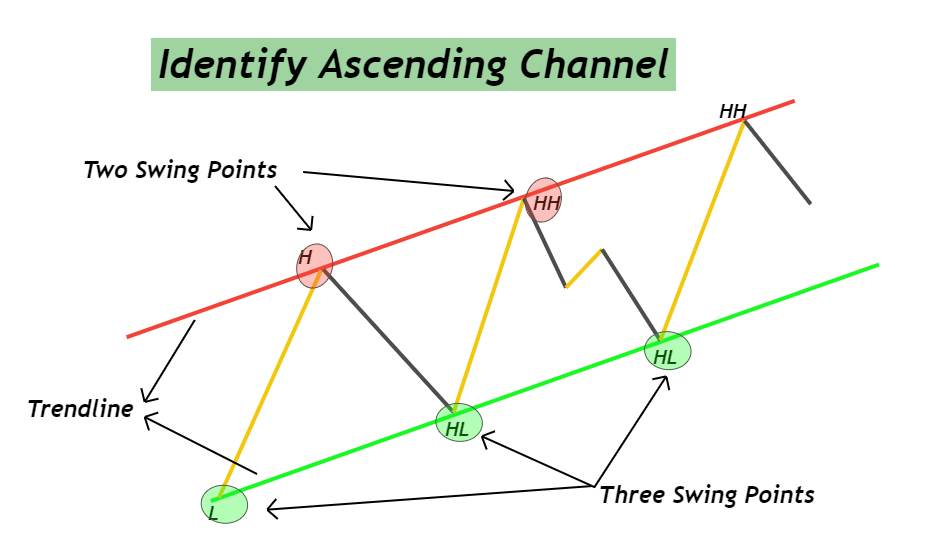
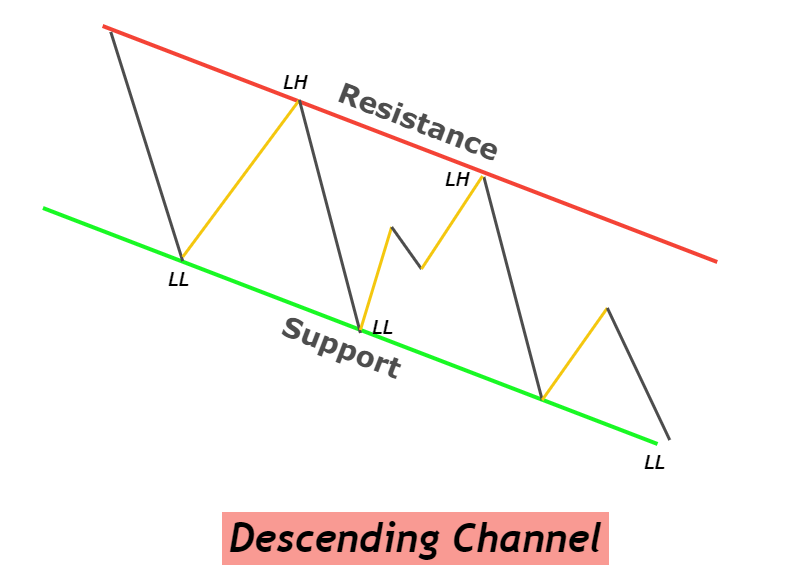
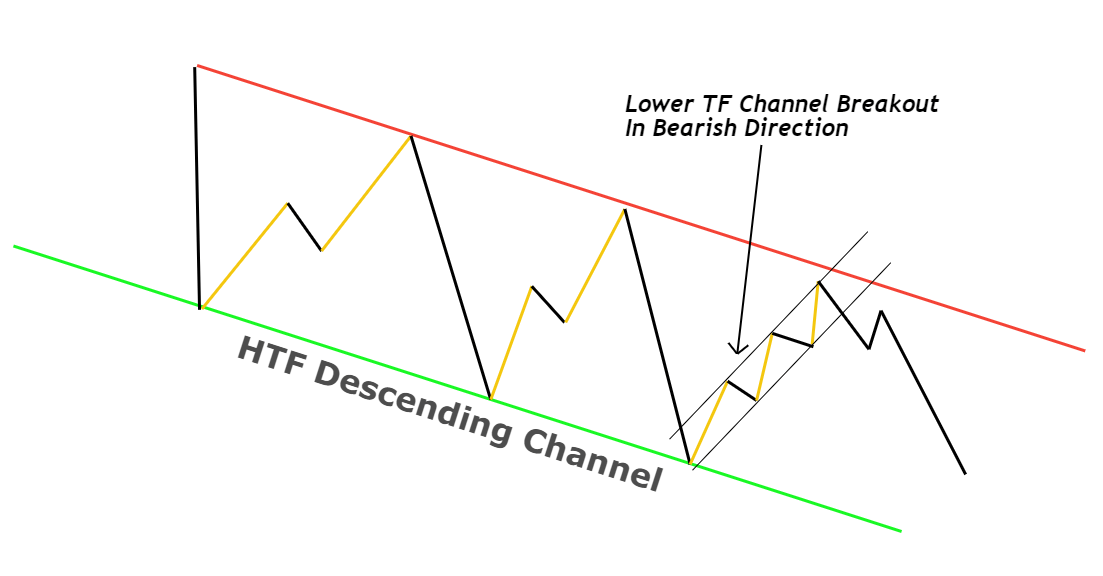
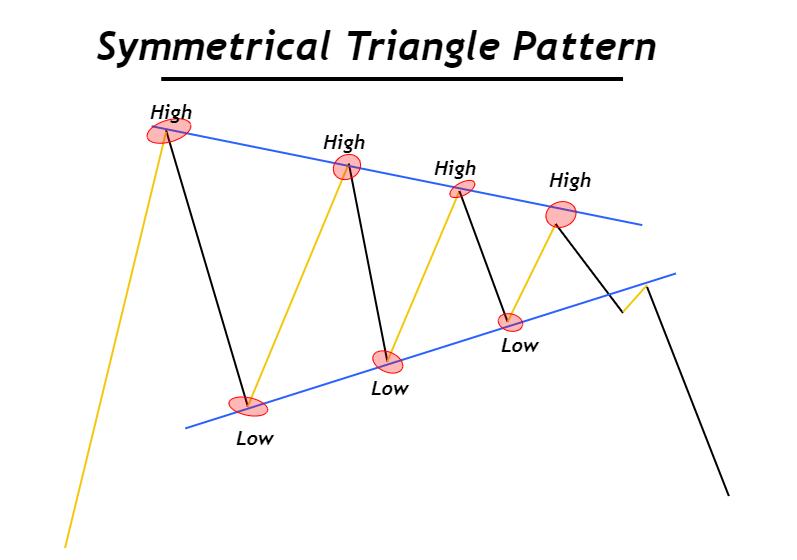
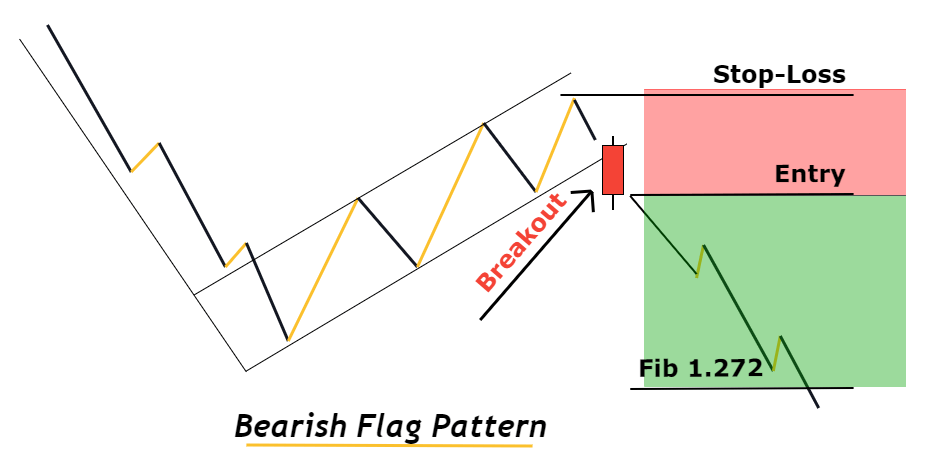
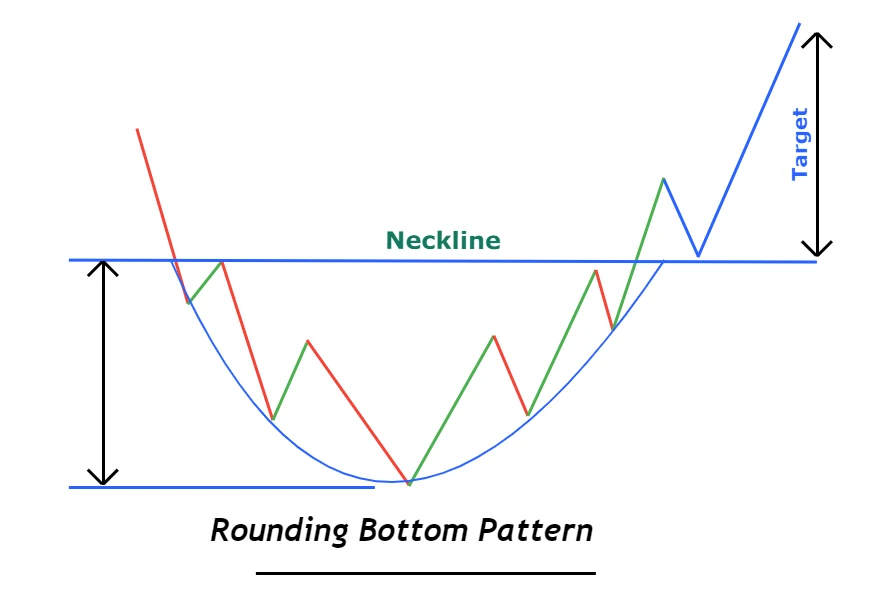
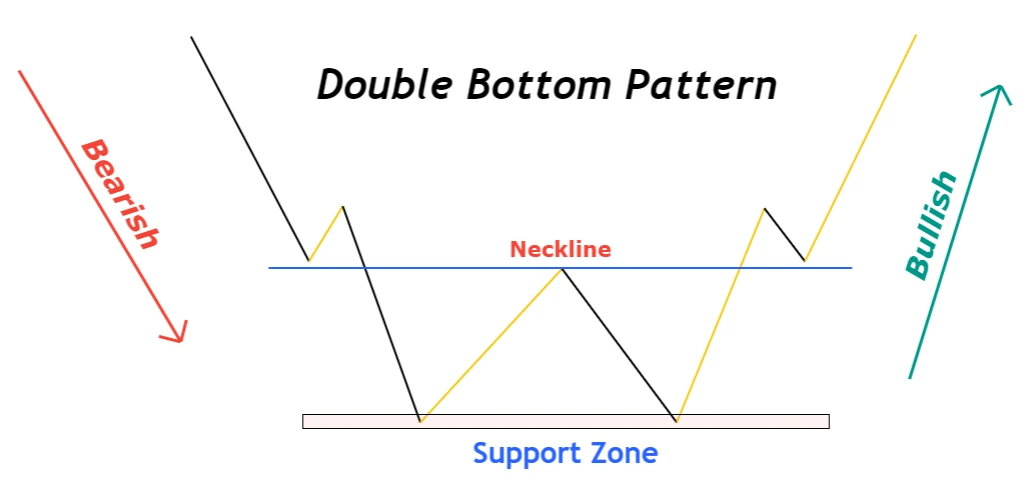
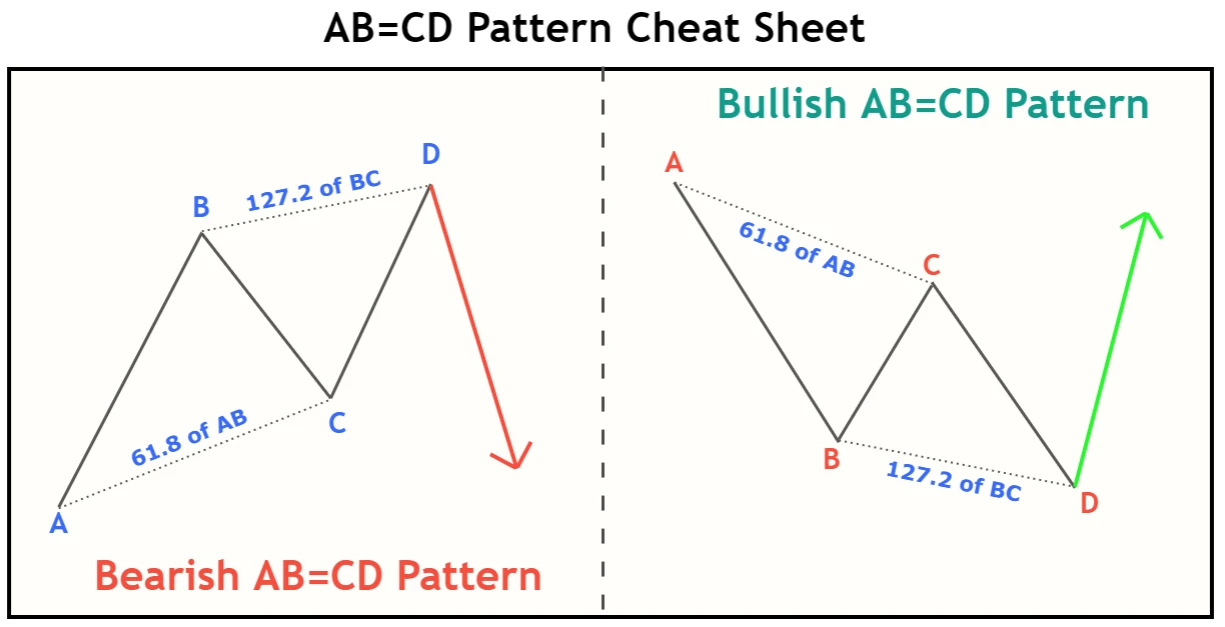
Chart patterns are repeated structures that form because of market price action in trading charts. Just like patterns in nature for example the structure of leaves, the spirals on a tree trunk etc, trading chart patterns are formed because of predictive and repeated human psychology. In certain conditions like greed, fear and hesitations most humans behave in a similar way. And these behaviours become visible in the market through chart patterns. For trading chart patterns the best way is to combine them with key levels like supply and demand , FVG etc. A chart pattern that forms at Supply and demand or FVG zone has higher win probability compared to the one which forms at a random place. Here I am going to cover the 27+ most used chart patterns in trading.
What you will learn:
- Structure of each pattern
- Trading Rules
- Best confluences to use with chart patterns
- A free Trading Chart Patterns PDF Guide
- An interactive quiz to test your chart patterns knowledge
Continuation vs Reversal Chart Patterns
Chart Patterns can be categorized into two distinct categories.
- Continuation chart patterns
- Reversal chart patterns
Continuation Chart Patterns:
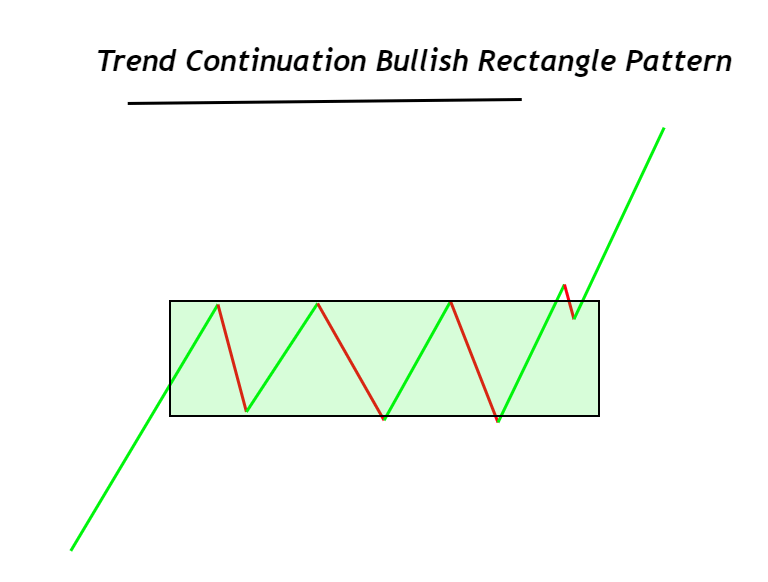
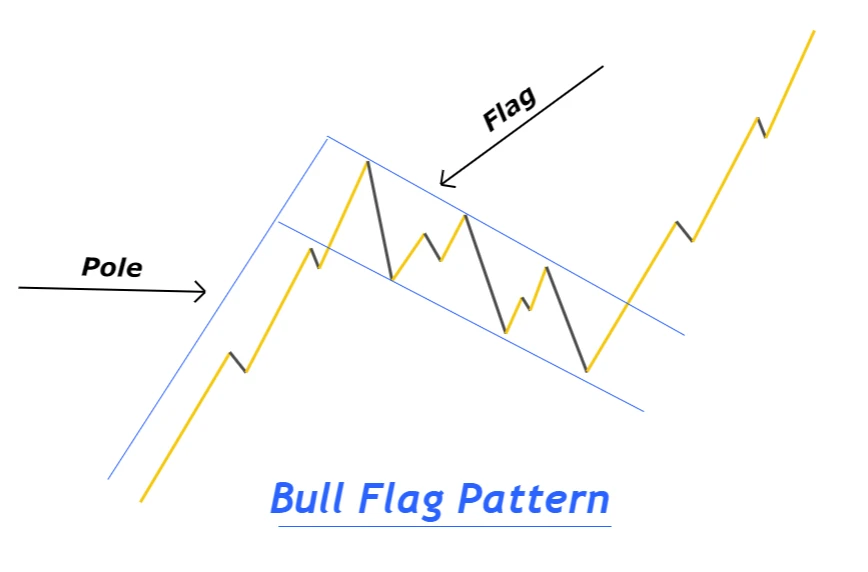
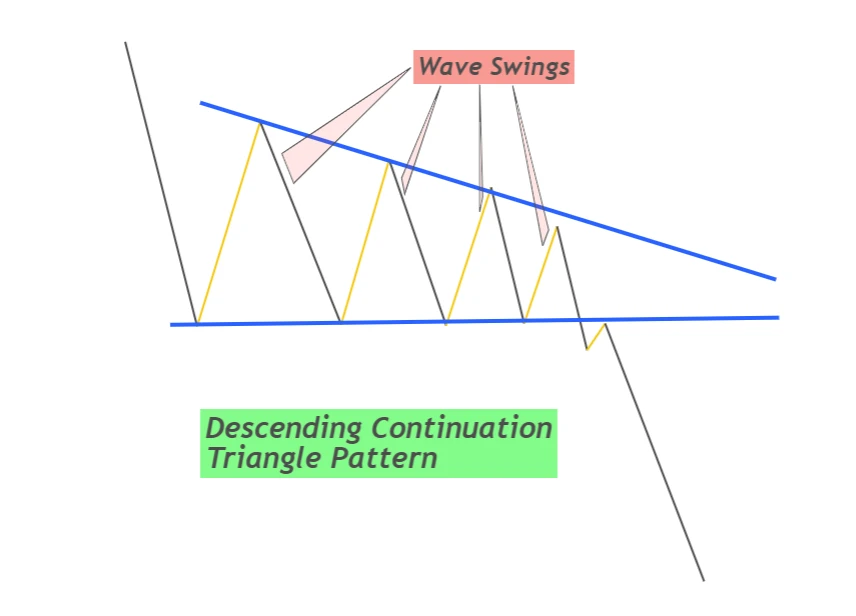
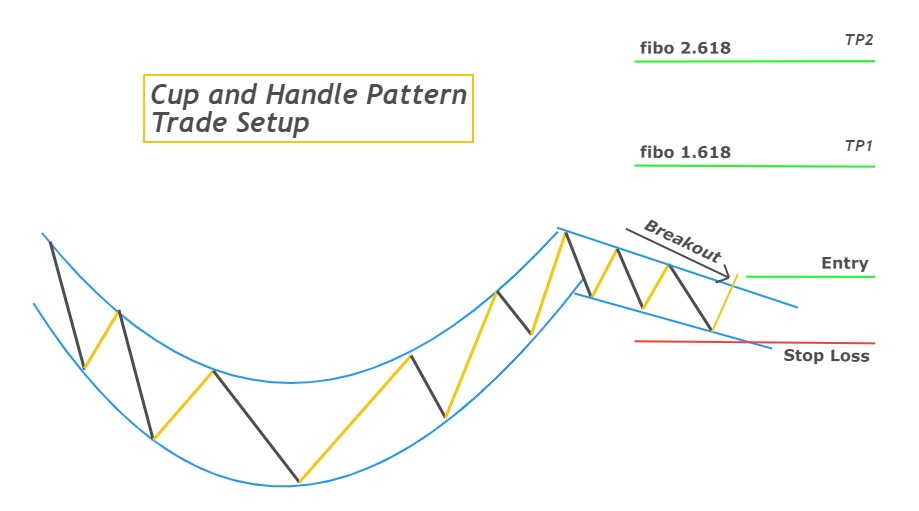
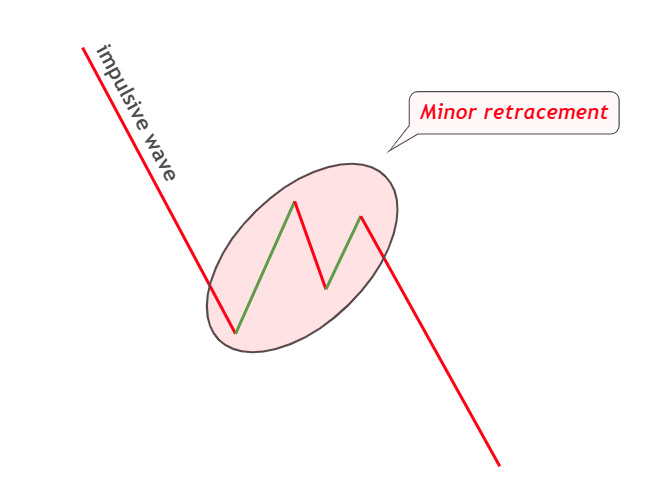
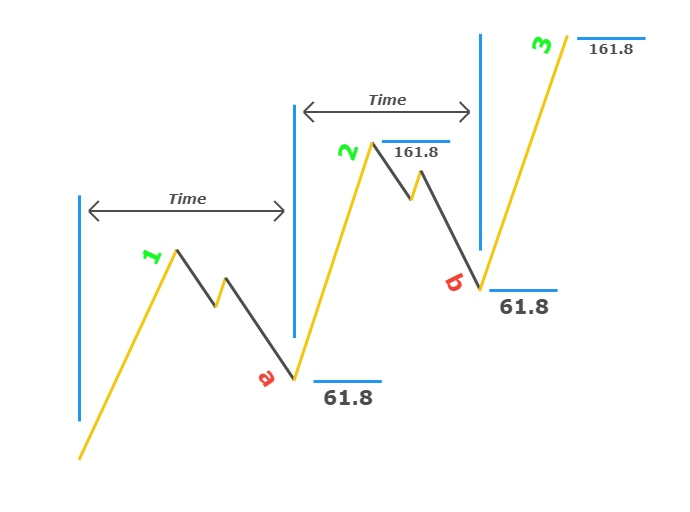
A continuation chart pattern enables the price action to continue moving in the same direction after its formation as it was moving before its formation. It shows there is a strong directional momentum. For example in a strong bullish market there is a high likelihood of formation of bullish flag pattern. In the formation of a continuation pattern market pauses for a while and then continues to move in the same direction. It is a strong signal that there is high one sided momentum in the market. In the chart below you can see how a continuation pattern forms in the market and how market behaves after its formation.
Continuation Chart pattern examples
Reversal Chart Pattern:
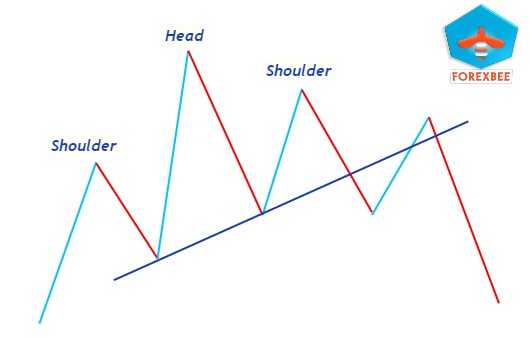
A reversal chart pattern makes the market reverse its direction after its formation i.e if the market was moving in the bullish direction then after the formation of a reversal pattern the market will start to move in the bearish direction. Similarly a reversal pattern in a bearish market will make the market move in the bullish direciton after its formation. The reversal chart patterns signal a shift in market momentum. It shows that the opposing side has finally taken control and is moving the market in their direction. In the chart below you can clearly see how double top pattern (a reversal pattern) changes the market direction from bullish to bearish.
An animation showing the formation of Double Top chart pattern
A reversal chart pattern becomes very valuable when it forms at a key level like a supply or demand zone , or a FVG zone. These confluences help us filter out the weak setups.
You can also learn each chart pattern online from the table below.
How to Trade Chart Patterns | Entry, Stop Loss & Target
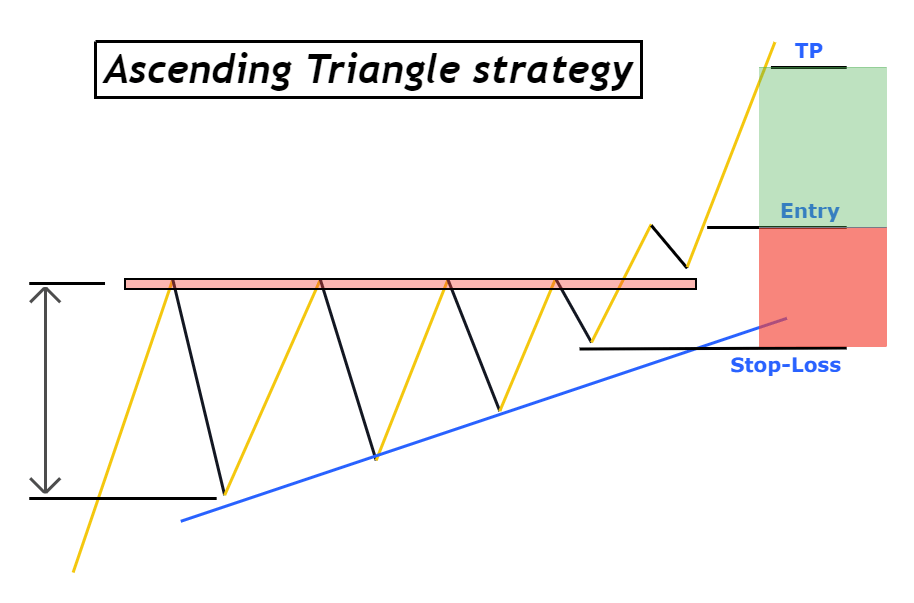
To trade chart patterns you have to know three critical things, where to enter, where to put your stoploss and where to exit the trade to collect your profit. The detailed trading strategy specific to each pattern is included in the detailed article for that pattern. But here are general rules you should follow for trading each pattern.
Entry:
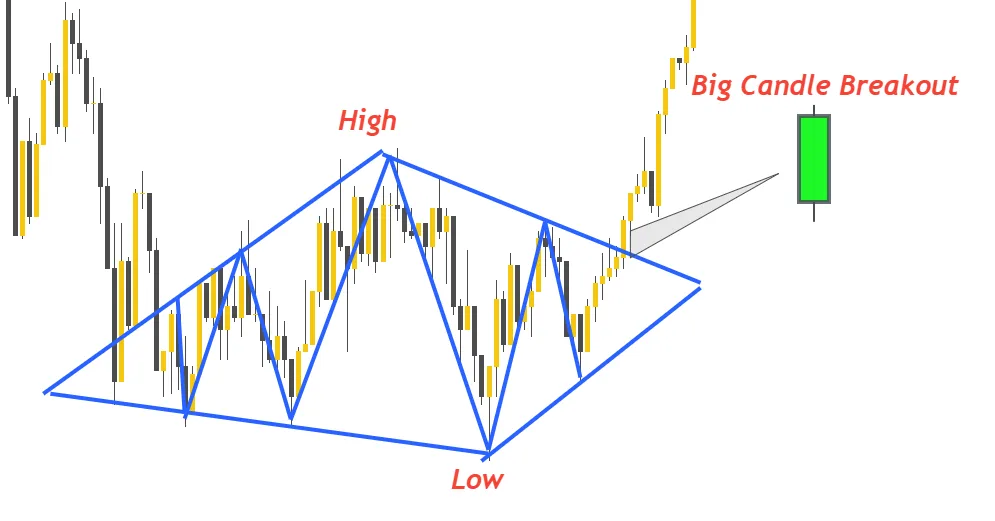
Most patterns have a clear boundary after the formation. You should enter at the breakout of that pattern. The important thing here is that you should not enter if the candle breaking the boundary is a weak candle. Only enter at a strong breakout.
The best entries for chart patterns are ones where the price action aligns with a key level like supply or demand, FVGs or an orderblock. For example when a triple top forms at a supply zone then its probability increases.
Stop Loss:
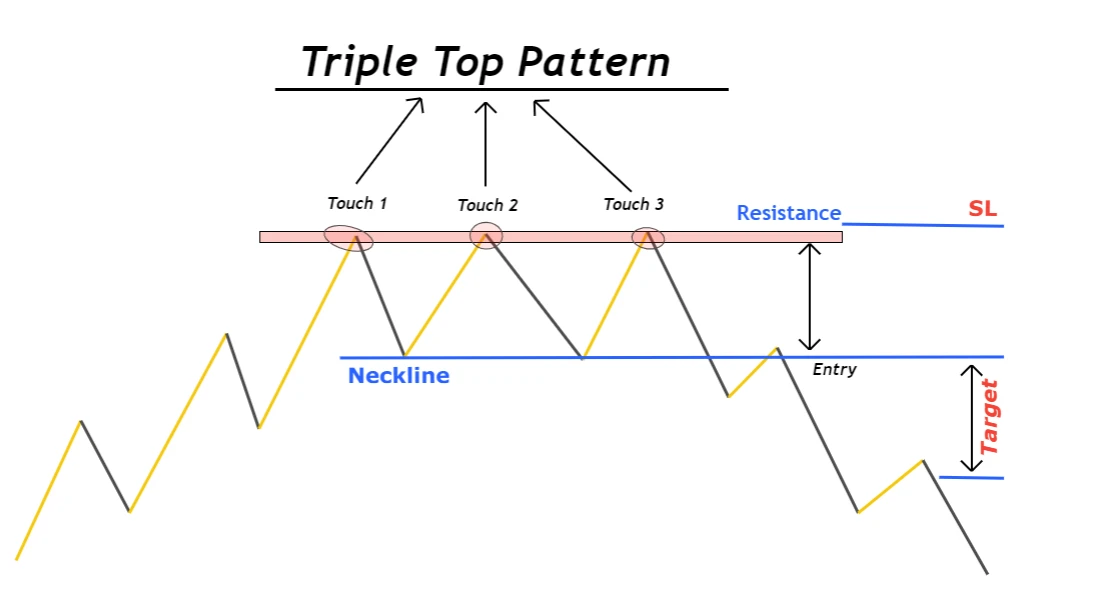
In trading the chart patterns your stop loss mostly goes on the other side of the entry or breakout. For example if you entered at the breakout of neckline of triple top pattern, then your stop loss would be few pips above the triple top matching line. This ensures that if market goes against your trade then your trade will be invalidated to protect from further loss.
Take Profit:
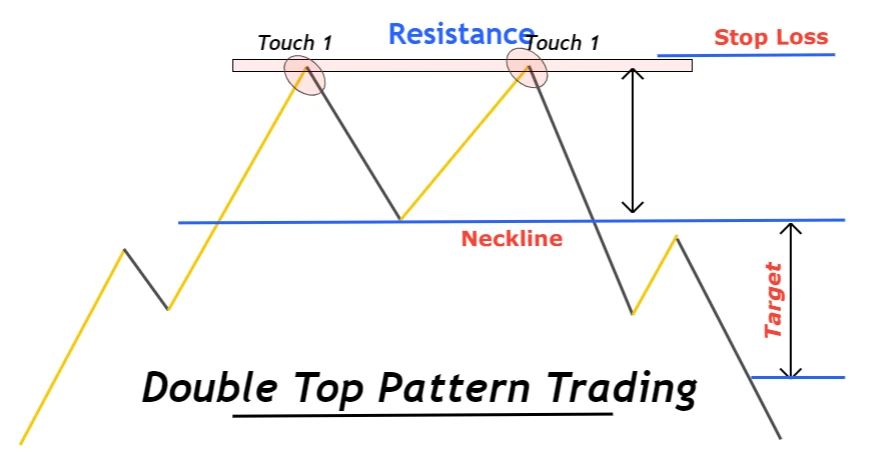
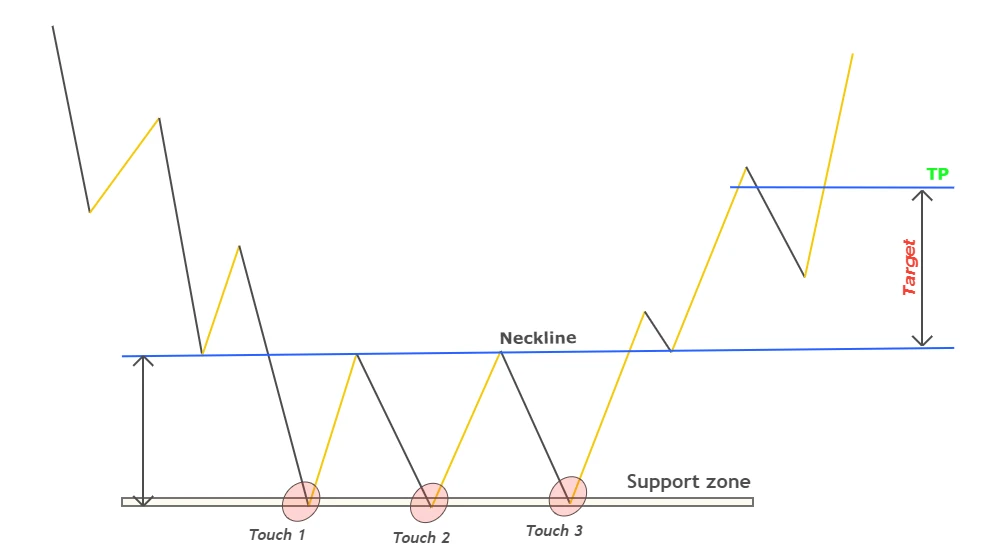
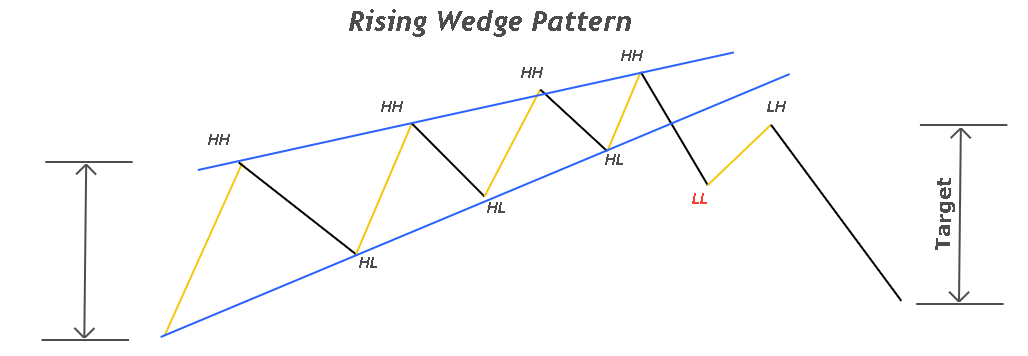
When the market goes in your favor the most critical things to know is where to exit. Best way to calculate your take profit is mostly using the height of the pattern. Measure the height on the pattern and project it from the point of the entry in the trade direction. exit once the market reaches your target.
Below you can see a detailed animation showing how to trade a triple top pattern.
An interactive animation showing the trading strategy for triple top chart pattern
Free Trading Chart Patterns PDF — Download Now
In this guide we have covered the types of chart patterns and also rules for trading the patterns. The PDF below includes the identification and trading rules for all 27+ chart patterns we have mentioned in the table above. To download the PDF just click the download button and save it for quick reference while trading these patterns.
Conclusion
Chart patterns are important structures that give calculated entries and exits for price action traders. It is best to trade chart patterns with the confluence of key levels like supply or demand zones, FVGs or order blocks. You can download the chart patterns PDF for quick references. I also encourage you to read and understand each pattern in detail by visiting the chart patterns articles from the table above.


Nagyon jó
It good
very good
very good sir
It looks good
Its good
your content is well prepared
very good patane
I can study of all market . like stock market ,forest market ,money market.
Nice
good
Damn!!!
good
thanks a lot
THIS website is best
ITs good
Very amazing
Bou”
Very amazing
Fantastic